Dr. Felipe Garofallo
Orthopedics Veterinary
Item List

5 signs your dog may have hip dysplasia
Hip dysplasia is a common condition in dogs, especially in medium to large breeds such as German Shepherds, Labrador Retrievers, and Rottweilers. This genetic disease affects the hip joint, causing pain and difficulty in movement, and can significantly impact a dog's quality of life if not properly treated. Although it is more commonly seen in young dogs during their growth phase, it can also manifest in adult dogs, especially with the progression of conditions like arthritis. One of the first signs that your dog may have hip dysplasia is difficulty getting up after periods of rest. Dogs with this condition may show joint stiffness, especially in the morning or after long periods of inactivity. This difficulty is often accompanied by an awkward gait, with short steps or hesitation when performing movements that require more effort from the hips, such as climbing stairs or jumping. Another significant sign is resistance or reluctance to engage in physical activities like walks or play sessions that were previously enjoyed. The dog may appear excessively tired or prefer to lie down, avoiding movements that cause pain or discomfort. In some cases, owners may notice muscle loss in the hind legs, as the dog tends to avoid placing weight on the affected area, leading to muscle atrophy. Limping, or lameness, is another clear symptom. This behavior can vary in intensity, from a slight unevenness in movement to a more noticeable inability to use one of the hind legs. In advanced cases, the dog may shift its weight primarily onto the front legs, which can also lead to discomfort or pain in the front limb joints. In addition, dogs with hip dysplasia often show sensitivity when touched around the hip area. The owner may notice the dog reacting negatively to being petted or handled in this region, displaying signs of pain such as whining, growling, or pulling away. This sensitivity is an important indicator that something is wrong with the joint. Finally, behavioral changes such as irritability or apathy may be indirect signs of hip dysplasia. Chronic pain affects the animal's overall well-being, causing them to become less sociable or more reactive. It's important to note that behavioral changes can have many causes, but when associated with other clinical signs, they may point to hip dysplasia. If you notice any of these signs in your dog, it’s essential to consult a veterinarian specialized in orthopedics for a thorough evaluation. The diagnosis is made through a detailed physical exam and radiographs of the hip joint. Treatment may range from pain management and physical therapy to surgical interventions such as double pelvic osteotomy or total hip replacement, depending on the severity of the case and the dog's age. Referências Bibliográficas
- Johnston, S. A., & Tobias, K. M. *Veterinary Surgery: Small Animal*. St. Louis: Elsevier, 2017.
- Morgan, J. P., "The Inheritance of Canine Hip Dysplasia: An Update". *Veterinary Clinics of North America: Small Animal Practice*, 1999.
Sobre o autor Felipe Garofallo é médico veterinário (CRMV/SP 39.972), especializado em ortopedia e neurocirurgia de cães e gatos e proprietário da empresa Ortho for Pets: Ortopedia Veterinária e Especialidades. Agende uma consulta pelo whatsapp (11)91258-5102.
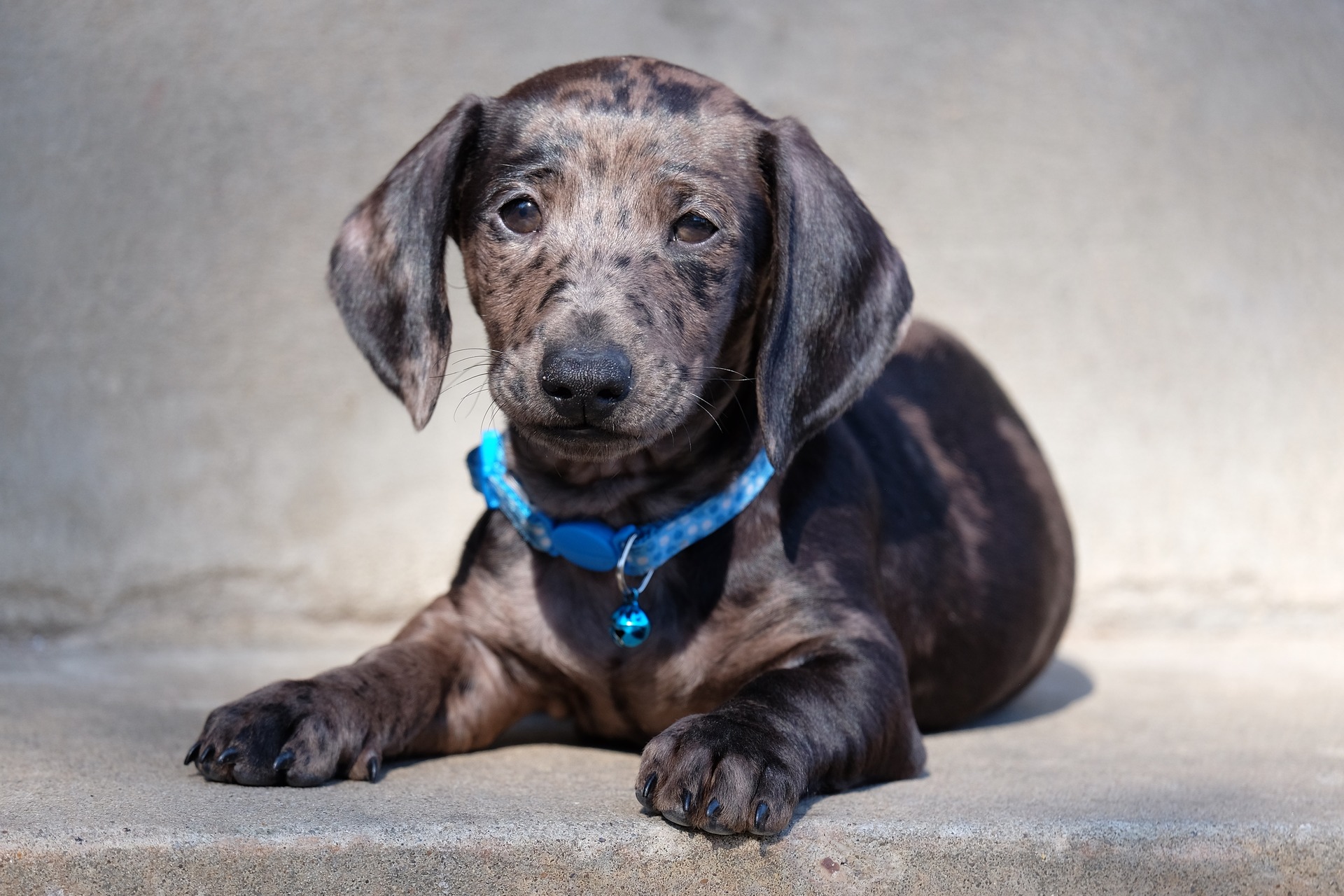
Best orthopedic beds for dogs with arthritis
When your dog starts to show signs of arthritis, one of the most important steps you can take to improve their quality of life is investing in a high-quality orthopedic bed. Arthritis can make it painful for dogs to lie down, get up, or even rest comfortably, especially on hard or uneven surfaces.
Just like in humans, chronic joint pain in dogs often becomes worse at night or after periods of inactivity. That’s why an orthopedic dog bed isn't just a luxury—it’s a necessity for arthritic pets. Orthopedic beds are specially designed to support the body’s pressure points, helping to distribute the dog’s weight evenly and relieve stress on the joints. Unlike regular pet beds, which often use cheap polyester stuffing or thin foam, orthopedic beds are made with memory foam or high-density support foam. This material contours to the dog's body, reduces joint pressure, and promotes better circulation. For dogs suffering from hip dysplasia, elbow dysplasia, cruciate ligament injuries, or age-related osteoarthritis, the difference in comfort can be dramatic. The firmness and thickness of the foam are critical. If the bed is too soft, it won’t offer adequate support and may even worsen joint instability. On the other hand, a very firm surface without any contouring may not provide enough relief. A balance of comfort and support is key. Many orthopedic beds also come with added features like bolstered sides for head support, non-slip bottoms to keep them steady on hardwood floors, and waterproof liners to protect against accidents or incontinence, which can also become a problem in older dogs. Another often overlooked benefit of a good orthopedic bed is that it helps regulate your dog’s body temperature. Some foams retain heat, which can be soothing to inflamed joints, while others offer cooling gels for dogs that overheat easily. Choosing the right one depends on your dog’s size, breed, specific condition, and even sleeping style. For example, large-breed dogs like Labradors or German Shepherds need thicker beds that don’t flatten out over time, while smaller dogs with patellar luxation might benefit from beds that allow easier entry and exit. If your dog already takes joint supplements or prescription medication, adding an orthopedic bed enhances the overall pain management plan. It promotes deeper sleep, reduces tossing and turning, and can even help improve mobility over time by minimizing the stiffness they feel upon waking. Plus, having a designated resting place can prevent your dog from jumping onto furniture or awkwardly lying on cold tiles, which often aggravates joint problems. In the end, choosing the best orthopedic bed for a dog with arthritis isn't just about comfort—it's a clinical decision that directly impacts your pet’s recovery, pain control, and long-term mobility. Paying attention to the material, thickness, ease of cleaning, and size can make a big difference. While the price might be higher than regular pet beds, the relief it offers your companion is often priceless.
Think of it as a tool—just like a medication, a supplement, or a therapy session—that plays a part in your dog’s journey toward a more comfortable and active life. References – Johnston SA. Osteoarthritis. In: Tobias KM, Johnston SA, eds. Veterinary Surgery: Small Animal. 2nd ed. Elsevier; 2017.– Innes JF, Clayton J, Lascelles BDX. Review of canine osteoarthritis and its management. Veterinary Record. 2010;166(15): 467–470. About the autor
Felipe Garofallo is a veterinarian in Brazil, specialized in orthopedic and neurosurgical care for dogs and cats. He is also the founder of Ortho for Pets – Veterinary Orthopedics and Specialties.
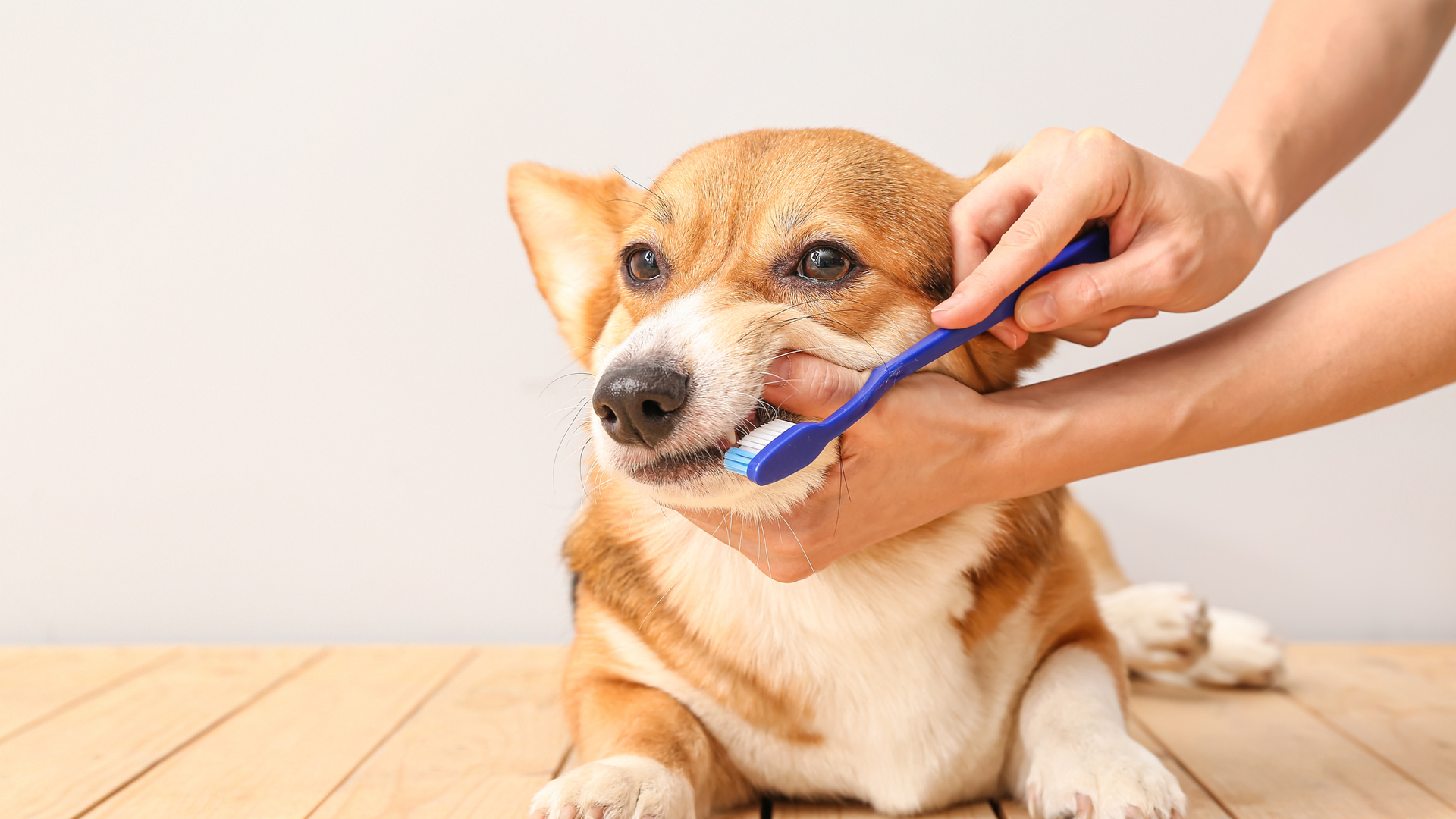
Best way to brush your dog’s teeth
Brushing your dog’s teeth might seem like a minor detail in their care routine, but it plays a vital role in maintaining their overall health and well-being. Just like in humans, dental hygiene in dogs helps prevent bad breath, tartar buildup, gum disease, and even serious internal health problems like kidney, liver, or heart disease that can stem from chronic oral infections. Despite its importance, many pet owners overlook this habit, either because their dog resists the brushing or because they believe dental treats or kibble are enough to keep their pet’s mouth clean. The best way to brush your dog’s teeth begins with understanding that patience and consistency are key. Start by getting your dog used to the idea gradually. Let them sniff and lick the toothbrush and pet-safe toothpaste—never use human toothpaste, as it contains ingredients like xylitol or fluoride that are toxic to dogs. You can begin by simply rubbing your finger along your dog’s gums and teeth, rewarding them with calm praise or a small treat. Over time, you can introduce a soft-bristled toothbrush designed specifically for dogs. The brushing itself should be gentle but thorough. Aim to reach the back molars and the gum line, where plaque and bacteria accumulate the most. It’s best to brush in small circular motions, spending about 30 seconds on each side. While daily brushing is ideal, even brushing a few times a week can make a significant difference. The entire experience should be kept positive and stress-free—if your dog becomes agitated, it’s better to pause and try again later than to force the interaction. For long-term success, integrate tooth brushing into your regular routine, such as after walks or before bedtime. Pair it with dental chews, appropriate toys, and regular veterinary dental checkups to keep your dog’s mouth healthy for years to come. Not only will this habit contribute to fresher breath and a happier smile, but it may also extend your dog’s life by preventing the systemic effects of oral infections. It’s a small daily gesture that can have a big impact. References:
– Niemiec, B. A. (2008). Small Animal Dental, Oral and Maxillofacial Disease: A Colour Handbook. Manson Publishing.
– Bellows, J. (2019). Feline Dentistry: Oral Assessment, Treatment, and Preventative Care. Wiley-Blackwell. About the autor Felipe Garofallo is a veterinarian in Brazil, specialized in orthopedic and neurosurgical care for dogs and cats. He is also the founder of Ortho for Pets – Veterinary Orthopedics and Specialties.

Bicipital Tenosynovitis in Dogs: Shoulder Pain Without a Fracture
Bicipital tenosynovitis in dogs is inflammation involving the tendon of origin of the biceps brachii muscle and its sheath near the shoulder joint. The tendon glides through a groove in the upper humerus and contributes to stability and movement of the front limb. When repetitive strain, degeneration, or trauma affects it, a dog may become lame without an obvious fracture or wound. Adult, active, medium- and large-breed dogs are commonly represented, although the condition is not limited to this group. Running, jumping, rapid changes of direction, and repetitive movements may contribute. In other cases, inflammation occurs alongside shoulder instability, injury to other tendons, or joint disease. Diagnosis therefore should not stop as soon as tenderness is found over the biceps region. Lameness may be mild at first, worsen after exercise, and improve with rest. The dog may shorten the forward reach of the limb, avoid full weight-bearing, or show pain when the shoulder is extended while the elbow remains straight. Some dogs resist climbing steps, getting into a car, or playing fetch. Compensatory gait can lead to neck tension and overload of the opposite limb. During the examination, the veterinarian palpates the bicipital groove and performs movements designed to selectively tension the tendon. Interpretation requires experience because pain arising from the shoulder, elbow, or cervical spine may produce similar responses. Comparing both limbs, assessing muscle mass, and checking reflexes helps distinguish orthopedic from neurological causes. Pain elsewhere in the paw or limb can also alter weight-bearing. Radiographs may show tendon mineralization, bone irregularities, or osteoarthritis, but changes can be subtle in some dogs. Ultrasound can reveal thickening, fluid within the tendon sheath, and disruption of the normal fiber pattern. In selected cases, magnetic resonance imaging, arthroscopy, or a guided diagnostic injection may help confirm the source of pain. No single finding should be interpreted in isolation. Treatment depends on the duration and severity of the condition. Cases without a major tear may respond to activity modification, pain management, and progressive rehabilitation. Veterinary physical therapy aims to restore motion without irritating the tendon, strengthen shoulder stabilizers, and address compensation. Injections or surgery may be considered when pain persists, after weighing risks, concurrent disease, and the patient's functional goals. Rest should mean restricting activities that provoke the injury, not returning to full-speed running as soon as the limp improves. Tendons heal more slowly than many tissues because of their blood supply and organization. A rushed return may turn early improvement into recurrence. Progression usually begins with controlled leash walks and advances only when examination shows comfort and stability. Bicipital tenosynovitis is treatable, but the outcome depends on recognizing the complete pattern of shoulder disease. If front-limb lameness lasts for weeks, worsens after exercise, or returns whenever activity resumes, the biceps tendon and relevant differential diagnoses should be investigated. Avoid human anti-inflammatory drugs and improvised exercises, as both can mask signs or worsen the injury. Bibliographic reference: Stobie, D.; Wallace, L. J.; Lipowitz, A. J.; King, V.; Lund, E. M. Chronic bicipital tenosynovitis in dogs: 29 cases (1985-1992). Journal of the American Veterinary Medical Association, v. 207, n. 2, p. 201-207, 1995. Bibliographic reference: Fossum, T. W. Small Animal Surgery. 5th ed. Elsevier, 2019.

Bone fractures in dogs: How they heal and what to expect
Bone fractures in dogs are more common than many pet owners realize, often caused by trauma such as being hit by a car, falling from a height, or engaging in high-impact play. Regardless of the cause, a broken bone can be a painful and frightening experience for both the dog and its owner. The healing process involves a complex biological response that aims to restore the integrity and function of the affected bone. Understanding how fractures heal and what to expect during the recovery period can help caregivers provide the necessary support and avoid complications. When a bone breaks, the body initiates a healing cascade that starts with inflammation. Blood vessels in the area rupture, forming a hematoma around the fracture site. This clot is rich in cells that will begin the repair process, including inflammatory cells and specialized cells called osteoblasts, which are responsible for new bone formation. Over the next few days to weeks, the body forms a soft callus made of collagen and cartilage, gradually replacing it with a hard callus of immature bone. This immature bone is not yet as strong as normal bone, but it provides initial stability. Eventually, the bone undergoes remodeling, a process that can take several months, during which the newly formed bone is reshaped and strengthened to match the original bone’s structure and function. The duration and quality of bone healing depend on several factors, including the type and location of the fracture, the dog’s age and overall health, and the treatment method used. Puppies tend to heal faster than older dogs due to their higher metabolic activity and growth potential. Simple fractures with good alignment usually heal more quickly and predictably than complex or comminuted fractures, which may involve multiple fragments or poor bone contact. In some cases, surgery is required to realign and stabilize the bone using plates, screws, pins, or external fixators. Other fractures may be managed conservatively with splints or casts, depending on the veterinarian’s assessment. Throughout the recovery process, it's crucial to follow veterinary instructions carefully. This often includes restricting physical activity to prevent stress on the healing bone, administering medications for pain and inflammation, and monitoring the surgical or immobilization site for signs of infection or complications. Periodic follow-up X-rays are commonly taken to assess healing progress and determine when the dog can gradually return to normal activity. While most fractures heal well with appropriate treatment, some may experience delayed union, nonunion, or malunion, which might require additional interventions. In addition to medical care, emotional support and a calm environment contribute to a smoother recovery. Dogs may experience stress, anxiety, or boredom during crate rest or activity restrictions, so providing mental enrichment, companionship, and gentle care is essential. Pet owners should also ensure a well-balanced diet, as adequate nutrition supports the healing of bones and soft tissues. Calcium, phosphorus, vitamin D, and protein all play key roles in bone regeneration and strength. In the end, most dogs recover well from fractures, especially with attentive care, proper treatment, and patience. Watching a beloved pet go through the healing journey can be challenging, but knowing what to expect and staying in close communication with the veterinary team can make all the difference in ensuring a successful outcome. References: Johnson, A. L., & Houlton, J. E. F. (1995). Fracture Management in Small Animal Practice. Saunders.
Piermattei, D. L., Flo, G. L., & DeCamp, C. E. (2006). Brinker, Piermattei and Flo's Handbook of Small Animal Orthopedics and Fracture Repair. Saunders Elsevier. About the autor
Felipe Garofallo is a veterinarian in Brazil, specialized in orthopedic and neurosurgical care for dogs and cats. He is also the founder of Ortho for Pets – Veterinary Orthopedics and Specialties.
Can Lumbosacral Disease Cause Incontinence in Dogs?
Lumbosacral disease in dogs can affect the nerves that exit at the end of the spine, a region known as the cauda equina. These nerves contribute to movement and sensation in the hind limbs, tail, and perineum, as well as part of urinary and fecal control. For this reason, incontinence can occur in severe disease in this area, but it is not the most common sign and should not automatically be attributed to the spine. In degenerative lumbosacral stenosis, the disc, ligaments, joints, and bony structures reduce the space available for the nerve roots. Large-breed dogs, especially active adults, may show pain when rising, difficulty jumping, reluctance to climb stairs, and reduced performance. Some develop weakness, drag their nails, or lose muscle mass. Cauda equina syndrome describes this combination of pain and neurological deficits. Urinary changes are concerning when a dog does not sense that the bladder is full, cannot empty it, or leaks urine without assuming a posture to urinate. Loss of anal tone, altered tail movement, and reduced sensation in the perineum may also occur. However, these signs usually indicate more advanced neurological impairment and require prompt assessment. Most cases of urinary incontinence in dogs have other explanations. Urethral sphincter mechanism incompetence, urinary tract infection, stones, prostatic disease, hormonal disorders, malformations, and increased urine production are common diagnoses. Severe pain may also prevent a dog from getting outside in time, causing accidents that appear to be incontinence. Distinguishing involuntary leakage, urgency, and overflow retention completely changes treatment. The consultation includes a detailed history of the volume, frequency, posture, and timing of the episodes, along with a neurological examination and bladder palpation. Urinalysis, culture, blood tests, and ultrasonography assess the urinary tract. When signs are consistent with lumbosacral disease, radiographs show general bony changes, while computed tomography and magnetic resonance imaging are more useful for evaluating compression, the disc, and nerve roots. A degenerative finding on imaging does not prove that the spine caused the incontinence. Many adult dogs have lumbosacral changes without urinary leakage, and urinary disorders may coexist. Correlating the examination, bladder pattern, and imaging helps avoid surgery or medication directed at the wrong cause. In some cases, urodynamic testing or a specialist assessment completes the investigation. Treatment of lumbosacral disease may involve activity restriction, weight management, prescribed pain relief, rehabilitation, or surgical decompression, depending on the pain, neurological deficit, and imaging findings. Incontinence requires its own approach and may call for bladder management to prevent overdistension and infection. The bladder should not be expressed and medication should not be adjusted without training and follow-up. Seek urgent care if a dog suddenly loses urinary control, cannot urinate, develops an enlarged bladder, progressive weakness, severe pain, or loss of sensation. When accidents develop gradually, investigation is still necessary. Separating lumbosacral disease from more common urinary causes allows the real problem to be treated while protecting the kidneys, bladder, nerves, and quality of life. Bibliographic reference: Worth, A. J.; Meij, B. P.; Jeffery, N. D. Canine Degenerative Lumbosacral Stenosis: Prevalence, Impact and Management Strategies. Veterinary Medicine: Research and Reports, v. 10, p. 169-183, 2019. doi: 10.2147/VMRR.S180448. Bibliographic reference: Byron, J. K.; Taylor, J. A.; Phillips, G. S.; et al. ACVIM consensus statement on diagnosis and management of urinary incontinence in dogs. Journal of Veterinary Internal Medicine, v. 38, 2024.
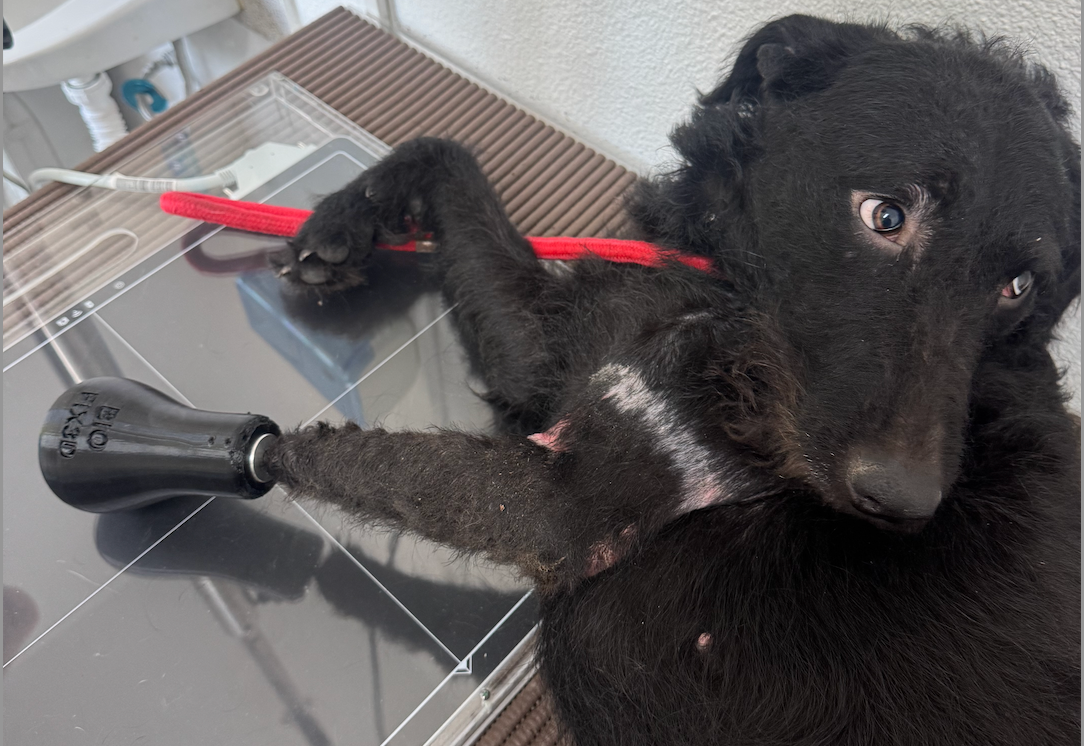
Can an amputee dog use a prosthesis? Learn about Vitória's case
Limb amputation is always a challenging moment — both for the pet and for their guardians. It's common for questions to arise, such as: "Will my dog be able to walk again?""Will they adapt to life on three legs?""Are there prosthetic options for amputee dogs?" Vitória with her endo-exoprosthesis. Dr. Felipe Garofallo It was with these uncertainties that little Vitória arrived at the team of Ortho for Pets, a veterinary clinic specialized in orthopedics, located in São Paulo. She had undergone amputation of her left forelimb after suffering a severe trauma. She was rescued by an animal welfare organization, which brought her in for evaluation at the clinic. Although the initial surgical recovery — performed elsewhere — went well, Vitória began to show difficulty walking, poor balance, excessive fatigue, and overload on her remaining limbs, especially the right forelimb. But everything changed with the arrival of a personalized solution: a veterinary endo-exoprosthesis. Vitória with her endo-exoprosthesis. Dr. Felipe Garofallo What is an endo-exoprosthesis and when is it indicated?
An endo-exoprosthesis combines two key concepts:
Endoprosthesis: the internal component, surgically implanted into the bone, providing fixation and stability.
Exoprosthesis: the external part that contacts the ground and allows the pet to walk, run, and play again.
This type of prosthesis is only possible when the level of amputation preserves part of the limb — as in Vitória’s case, where a portion of the radius was still intact.
Main indications include:
Distal amputations with viable bone preservation Young, active, or growing dogs Patients with good healing capacity and emotional adaptability Committed owners who can follow through with post-op care and physical therapy
How was Vitória’s surgery performed?
After detailed exams and surgical planning, the Ortho for Pets team performed the procedure in two main stages:
Implantation of an intramedullary rod into Vitória’s left radius, fixed securely with a plate and screws.
After the healing period, a custom-made external prosthesis — modeled via 3D printing and tailored to Vitória’s anatomy and weight — was attached.
The result was a functional biomechanical fit, allowing for better load distribution, balance, and comfort while walking.
What is recovery like for a dog with a prosthesis?
Vitória’s adaptation to the new prosthesis was remarkable. Within just a few days, she was already showing interest in bearing weight on the limb and exploring her environment more confidently. Her rehab plan included:
Veterinary physical therapy sessions Positive reinforcement training Progressive adjustments to the prosthesis for optimal fit and comfort
Today, Vitória is able to walk, balance herself, and even play — something that once seemed impossible after her amputation. Can amputee dogs walk again with a prosthesis?
Yes — and Vitória’s story is proof. While not all amputee dogs are candidates for endo-exoprostheses, when clinically viable, the results can dramatically improve a pet’s quality of life.
Benefits of a prosthesis include:
Reduced overload on the remaining limbs Prevention of joint pain and muscular compensation Improved self-esteem and social interaction Increased independence in daily activities
Treatment for amputee dogs in São Paulo
Ortho for Pets is a leading veterinary orthopedic clinic offering comprehensive evaluation, surgery, and rehabilitation services for amputee dogs. Each case is approached with technical precision and compassionate care, always focused on the best personalized solution for each patient. If your pet has undergone an amputation or is struggling to adapt, schedule an evaluation with our team. Together, we can offer more comfort, mobility, and quality of life for your pet. References Fitzpatrick, N., & Smith, T. J. (2013). Implantation of a novel osseointegrated prosthesis for limb amputation in a dog: a case report. Veterinary Surgery, 42(4), 433–440.https://doi.org/10.1111/j.1532-950X.2012.01029.x
Bergh, M. S., & Budsberg, S. C. (2005). The coxofemoral joint: diagnosis, treatment, and outcomes of osteoarthritis and femoral head and neck excision in dogs. Veterinary Clinics: Small Animal Practice, 35(5), 917–929. https://doi.org/10.1016/j.cvsm.2005.04.005

Can arthritis in dogs be cured or just managed?
Arthritis in dogs is a chronic condition that affects millions of pets around the world, especially as they age. Characterized by inflammation in the joints, it can lead to pain, stiffness, reduced mobility, and a significant decline in quality of life. Many pet owners, upon receiving this diagnosis, wonder if arthritis in dogs can be cured or if it is something that must be managed for the rest of the pet’s life. The short answer is that, unfortunately, arthritis in dogs cannot be cured in the traditional sense. Once the cartilage in the joints has been damaged or worn away, it does not regenerate. However, the condition can be effectively managed through a combination of medical, physical, and sometimes surgical interventions that aim to slow the progression of the disease and relieve discomfort. The first step in managing canine arthritis is recognizing the signs early. Dogs may show subtle symptoms at first—such as reluctance to jump, climb stairs, or go on long walks—but as the disease progresses, limping, stiffness, or even behavioral changes like irritability and decreased interest in play can appear. Veterinarians typically diagnose arthritis through a combination of physical examination, medical history, and imaging tests like X-rays. Once diagnosed, the goal shifts to managing the inflammation and preserving joint function. Treatment often involves anti-inflammatory medications such as NSAIDs, which reduce pain and swelling. These are sometimes supplemented with joint supplements like glucosamine and chondroitin sulfate, which may help support cartilage health and delay further deterioration. In more severe cases, intra-articular injections—such as hyaluronic acid, corticosteroids, or newer biological therapies like platelet-rich plasma—may be considered to alleviate symptoms. Weight management also plays a crucial role, as excess weight puts additional stress on joints and accelerates the degeneration process. Physical therapy and low-impact exercise are essential components of a good arthritis management plan. Activities such as controlled walks and swimming can help maintain muscle mass and improve joint stability without placing too much strain on the joints. Some veterinarians also recommend acupuncture, laser therapy, or even stem cell therapy in selected cases, depending on the pet’s overall health and response to conventional treatments. Orthopedic beds and non-slip flooring can also provide comfort and improve safety for arthritic dogs at home. Surgery may be indicated when medical management fails to provide relief, or when the joint damage is so severe that movement becomes extremely painful. Procedures like femoral head ostectomy (FHO) or total hip replacement are options in certain cases, and they can dramatically improve a dog’s mobility and comfort when appropriately selected. Although arthritis cannot be reversed, many dogs live happy and active lives with proper care and adjustments. Early intervention and a comprehensive treatment plan tailored to the individual dog can make a significant difference. The most important thing a pet owner can do is work closely with their veterinarian to monitor the condition and make timely adjustments in the treatment strategy as the dog ages or if symptoms change. References: Johnston, S. A., & Budsberg, S. C. (1997). Nonsteroidal anti-inflammatory drugs and osteoarthritis in dogs: efficacy and safety. Veterinary Clinics of North America: Small Animal Practice, 27(4), 841–862.Innes, J. F., et al. (2010). Joint disease in the dog: from pathophysiology to treatment. Journal of Small Animal Practice, 51(7), 361–369. About the autor
Felipe Garofallo is a veterinarian in Brazil, specialized in orthopedic and neurosurgical care for dogs and cats. He is also the founder of Ortho for Pets – Veterinary Orthopedics and Specialties.

Can dogs eat bananas, apples, and carrots?
Many dog owners love to share their favorite snacks with their furry friends, and fruits and vegetables are often among the most common options. Bananas, apples, and carrots are especially popular, but are they safe for dogs to eat? The good news is that, in general, these three foods can be safely included in a dog’s diet when offered in moderation. Bananas are a good source of potassium, vitamin B6, and vitamin C. They’re also low in cholesterol and sodium, which makes them a healthy treat option. However, bananas are relatively high in sugar, so they should be given as an occasional snack rather than a daily staple. Too much banana could lead to weight gain or digestive issues in some dogs. Apples are another fruit that many dogs enjoy. They provide fiber, vitamin A, and vitamin C. When offering apples to your dog, always remove the seeds and core first. Apple seeds contain small amounts of cyanide, which can be harmful if ingested regularly over time. The apple’s flesh, however, is crisp and sweet, often making it a refreshing treat, especially on warmer days. Carrots are widely considered one of the best vegetable snacks for dogs. They’re rich in beta-carotene, which converts into vitamin A in the body, supporting vision, immune function, and skin health. Carrots are also low in calories and high in fiber, which makes them a great option for overweight dogs or those needing a crunchy snack to help clean their teeth. Although all three of these foods can be beneficial, it’s important to introduce any new food gradually and observe your dog for any adverse reactions. Each dog is different, and what works well for one may not suit another. Always wash fruits and vegetables thoroughly, cut them into bite-sized pieces, and avoid adding any seasoning or sugar. As a rule of thumb, treats—whether commercial or natural—should not exceed 10% of your dog’s daily caloric intake. When in doubt, it’s always a good idea to consult your veterinarian before introducing new foods to your dog’s diet. This ensures you’re making choices that align with your dog’s individual health needs. References
Case, L. P. (2014). The Dog: Its Behavior, Nutrition, and Health. Wiley-Blackwell.
Hand, M. S., Thatcher, C. D., Remillard, R. L., Roudebush, P., & Novotny, B. J. (2010). Small Animal Clinical Nutrition. Mark Morris Institute.

Can overweight dogs recover well from orthopedic surgery?
Can overweight dogs recover well from orthopedic surgery? It’s a question that many pet owners face when their beloved companion suffers an injury or requires a surgical procedure like TPLO, patellar luxation correction, or femoral head ostectomy. The truth is that excess weight can have a significant impact on both the surgery itself and the recovery process. While recovery is possible, it often presents more challenges and requires closer monitoring and stricter postoperative care. Dogs that are overweight tend to carry more stress on their joints, which can affect the outcome of orthopedic surgeries. This added weight may increase strain on the surgical site, delay healing, and even contribute to implant complications such as loosening or breakage. Additionally, the presence of excess body fat can interfere with the surgical field, making procedures technically more difficult for the surgeon and increasing the risk of postoperative inflammation and infection. Another factor to consider is mobility. Overweight dogs often struggle with movement, and after surgery, when mobility is already restricted due to pain or the need for immobilization, this can lead to further muscle loss and reduced joint support. A key element in orthopedic recovery is gradual and controlled rehabilitation—something that becomes harder to implement when a dog lacks basic conditioning or carries too much weight. Physical therapy, although still highly beneficial, may progress more slowly, and caregivers must be prepared for a longer rehabilitation timeline. However, it’s not all bad news. With proper management, overweight dogs can recover successfully from orthopedic procedures. The recovery process often becomes an opportunity for a healthier lifestyle change. A well-structured plan that includes a veterinary-supervised weight loss program, a personalized rehabilitation protocol, pain management, and nutritional guidance can make a significant difference. Weight loss during recovery, when appropriately supervised, can actually improve healing outcomes and help prevent future joint issues. Owners also play a critical role in the recovery journey. They must be fully committed to limiting the dog’s activity as prescribed, preventing jumping or running too soon, administering medications on time, attending follow-up appointments, and following dietary recommendations to promote gradual weight loss. The more involved and consistent the caregiver, the better the chances for a full and functional recovery—even in dogs with significant excess weight. In summary, overweight dogs can recover well from orthopedic surgery, but they require more attention, patience, and a customized care plan. The risks are higher, and the recovery may take longer, but with dedication and guidance from a veterinarian and rehabilitation team, positive outcomes are absolutely achievable. References: Marshall, W. G., Hazewinkel, H. A. W., Mullen, D., De Meyer, G., Baert, K., & Carmichael, S. (2010). The effect of weight loss on lameness in obese dogs with osteoarthritis. The Veterinary Research Communications, 34(3), 241–253. Quinn, M. M., Keuler, N. S., Lu, Y., Faria, M. L., Muir, P., & Markel, M. D. (2007). Evaluation of agreement between numerical rating scales, visual analogue scoring scales, and force plate gait analysis in dogs. Veterinary Surgery, 36(4), 360–367.
About the autor
Felipe Garofallo is a veterinarian in Brazil, specialized in orthopedic and neurosurgical care for dogs and cats. He is also the founder of Ortho for Pets – Veterinary Orthopedics and Specialties.
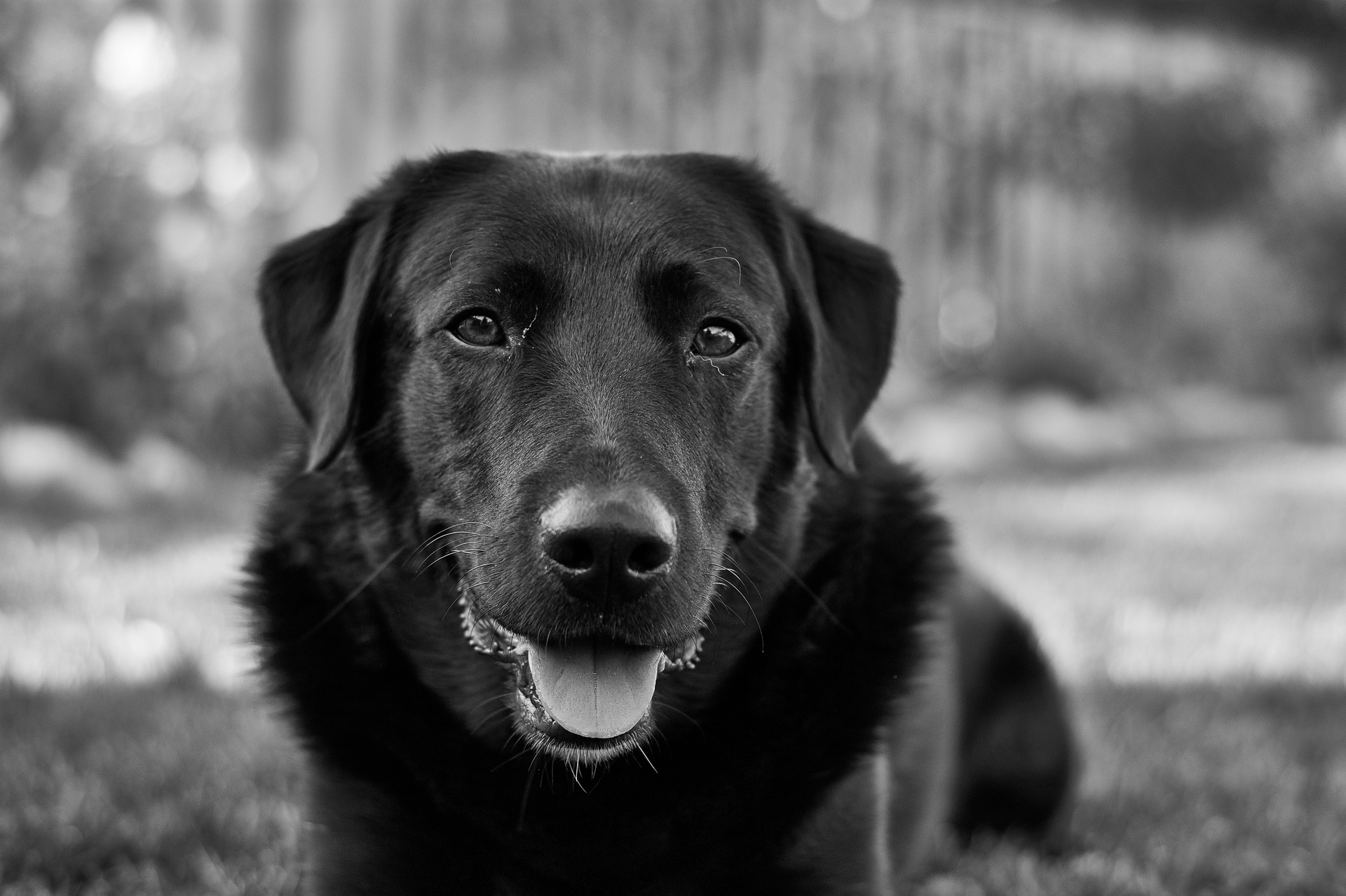
Can stem cell therapy help dogs with joint issues?
Stem cell therapy has become an increasingly discussed option among veterinarians and pet owners searching for innovative treatments for dogs suffering from joint issues. Conditions like osteoarthritis, hip dysplasia, and chronic joint inflammation can severely impact a dog's quality of life, leading to pain, reduced mobility, and decreased enthusiasm for activities they once enjoyed. While traditional treatments like non-steroidal anti-inflammatory drugs (NSAIDs), weight management, and surgery continue to be used, stem cell therapy has emerged as a promising alternative that targets the problem at a cellular level. In veterinary medicine, stem cell therapy typically involves harvesting mesenchymal stem cells (MSCs) from a dog’s own fat tissue or bone marrow. These cells are then processed and injected directly into the affected joints. The goal is to promote tissue regeneration, reduce inflammation, and ultimately alleviate pain. Unlike medications that primarily manage symptoms, stem cells have the potential to repair damaged cartilage and support healing, offering a more regenerative approach. This is particularly appealing for owners looking to avoid or delay invasive surgical procedures or those whose pets no longer respond to conventional therapies. One of the main advantages of using the dog’s own cells is the low risk of rejection or adverse immune reactions. After being injected into the joint, the stem cells interact with the local environment, releasing anti-inflammatory signals and growth factors that encourage the repair of cartilage and other joint structures. Many dogs that undergo this therapy show noticeable improvements in mobility, pain reduction, and activity levels within a few weeks. That said, results can vary based on the severity of the condition, the dog’s overall health, and how early in the disease process the therapy is introduced. Stem cell therapy is not without limitations. It can be expensive, and it is not yet universally available in all veterinary clinics. Furthermore, while many anecdotal reports and small studies support its efficacy, more large-scale, randomized clinical trials are needed to fully understand its long-term benefits and compare it with established treatment modalities. Still, as research progresses and technology becomes more accessible, stem cell therapy holds real promise for the future of veterinary orthopedics. For pet owners considering this option, consultation with a veterinary specialist is essential. They can evaluate whether the dog is a good candidate for the procedure, explain the potential risks and benefits, and help set realistic expectations for recovery. As the science continues to evolve, stem cell therapy may become a mainstay in the management of chronic joint diseases in dogs, offering hope to pets that once faced limited options for relief. References Black, L. L., Gaynor, J., Adams, C., Dhupa, S., Sams, A. E., Taylor, R., ... & Harman, R. (2007). Effect of adipose-derived mesenchymal stem and regenerative cells on lameness in dogs with chronic osteoarthritis of the coxofemoral joints: a randomized, double-blinded, multicenter, controlled trial. Veterinary Therapeutics, 8(4), 272–284.
Vilar, J. M., Carrillo, J. M., Rubio, M., Sopena, J. J., Cuervo, B., Domínguez, J. M., & Morales, M. (2014). Comparison of autologous adipose-derived mesenchymal stem cells and platelet-rich plasma for treating dogs with hip osteoarthritis: a randomized clinical trial. Stem Cell Research & Therapy, 5(3), 1–9.

Common signs of hip dysplasia in dogs
Hip dysplasia is one of the most common orthopedic conditions affecting dogs, particularly in large and giant breeds, although it can also occur in smaller dogs. It is a genetic disease that causes the hip joint to develop abnormally, leading to a loose fit between the head of the femur and the socket of the pelvis. Over time, this instability causes inflammation, pain, and eventually osteoarthritis as the joint deteriorates. Recognizing the signs of hip dysplasia early is essential for providing appropriate care and improving a dog’s quality of life. One of the earliest signs that a dog may be suffering from hip dysplasia is a reluctance to engage in physical activities they previously enjoyed. Owners might notice their dog becoming hesitant to climb stairs, jump into the car, or go for long walks. The dog may appear to tire more easily or seem uncomfortable after periods of activity. Another common sign is lameness in the hind limbs. This lameness might be intermittent at first and become more consistent as the disease progresses. Some dogs display what is often referred to as a "bunny hop" gait, where both hind legs move together instead of alternately, especially when running or climbing. Pain and discomfort in the hips may also cause dogs to shift their weight forward onto their front legs, resulting in an abnormal posture or uneven muscle development. The muscles in the hindquarters may become visibly smaller or atrophied due to decreased use, while the front legs may appear more muscular as they compensate for the hind limbs. In more severe cases, dogs might cry out or whine when their hips are touched or manipulated, and their range of motion may be significantly limited. Behavioral changes can also be a clue. A normally friendly or active dog might become irritable, withdrawn, or reluctant to be handled. Difficulty rising from a lying or sitting position is another common sign, especially in the morning or after rest. As the joint continues to deteriorate, the symptoms usually become more severe and constant, impacting the dog’s mobility and overall well-being. It’s important to note that not all dogs with hip dysplasia show symptoms early in life. Some dogs may have significant structural changes in the hip joint but only display signs of discomfort or lameness later in adulthood or even in their senior years. Regular veterinary check-ups, combined with radiographic imaging, are essential to diagnose hip dysplasia accurately. Early intervention, whether through weight management, physical therapy, medication, or surgical options, can greatly improve a dog's comfort and long-term prognosis. References: Smith, G.K., et al. (1997). "Evaluation of the association between laxity, subluxation, and early osteoarthritis in dogs with hip dysplasia." American Journal of Veterinary Research, 58(9), 1023–1029.Riser, W.H. (1975). "Correlation of radiographic, gross and microscopic changes in canine hip dysplasia." Journal of the American Veterinary Medical Association, 166(4), 345–353. About the autor
Felipe Garofallo is a veterinarian in Brazil, specialized in orthopedic and neurosurgical care for dogs and cats. He is also the founder of Ortho for Pets – Veterinary Orthopedics and Specialties.